Weld all around symbol and field weld blocks
The all around circle, the field weld flag and the tail as CAD blocks that snap onto any welding callout.
Weld all around symbol library
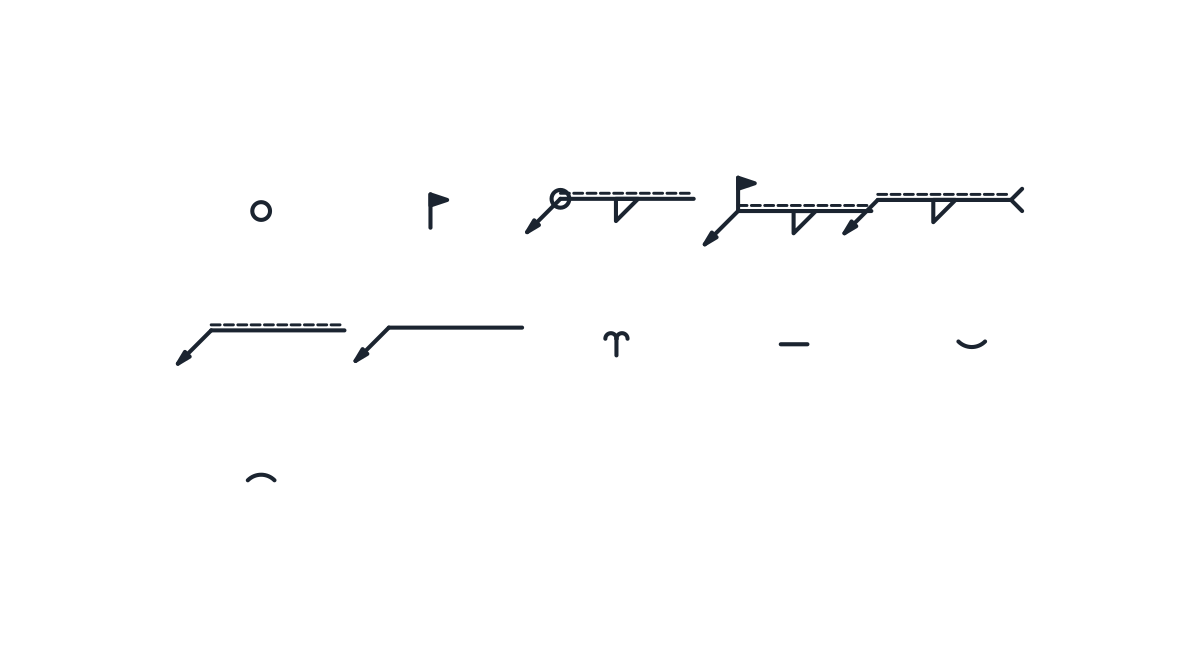
-

Weld all around
A circle at the junction of the arrow line and the reference line, meaning the weld runs continuously around the whole joint, for example around a tube or a bracket.
IND_WELDING_SYMBOLS_WELD_ALL_AROUND
-
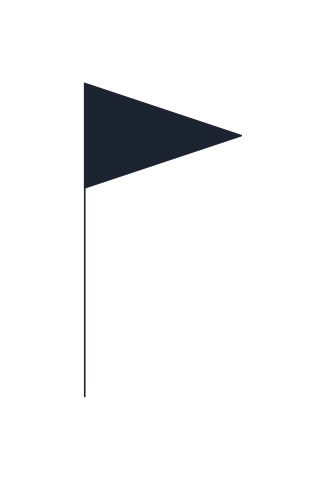
Field weld (site weld)
A flag at the junction of the arrow line and the reference line, meaning the weld is made on site or at the place of erection rather than in the shop.
IND_WELDING_SYMBOLS_FIELD_WELD
-
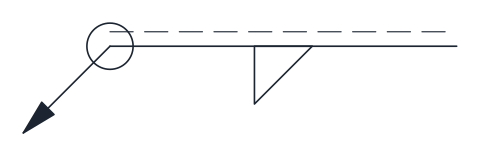
Fillet weld all around
Arrow-side fillet weld with the all-around circle at the junction, for a fillet that runs around the full perimeter of the part.
IND_WELDING_SYMBOLS_FILLET_ALL_AROUND
-
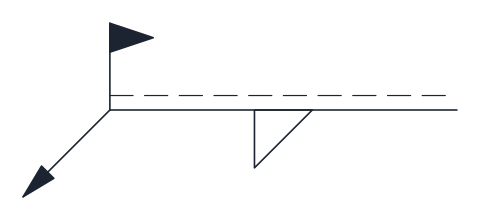
Fillet weld made on site
Arrow-side fillet weld with the field weld flag at the junction, for a fillet weld made during erection rather than in the shop.
IND_WELDING_SYMBOLS_FILLET_FIELD_WELD
-
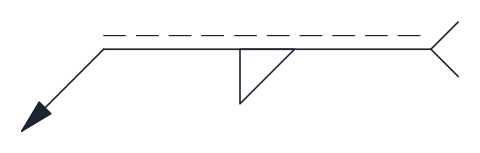
Welding symbol with tail and process
Arrow-side fillet weld with a tail at the end of the reference line. The PROCESS attribute takes the process reference number from ISO 4063, and the tail can also hold other complementary information.
IND_WELDING_SYMBOLS_TAIL_WITH_PROCESS
-
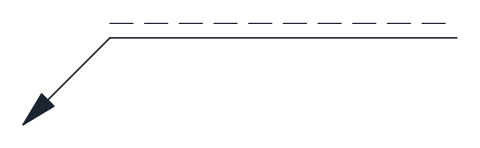
Reference line, system A
Arrow line with the dual reference line of ISO 2553 system A: a continuous line for the arrow side and a dashed identification line for the other side. The block's base point is the arrowhead tip.
IND_WELDING_SYMBOLS_REFERENCE_LINE_SYSTEM_A
-
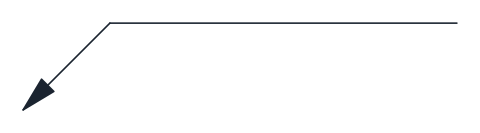
Reference line, system B
Arrow line with the single reference line of system B, where a symbol below the line means the arrow side and one above it the other side, as in AWS A2.4.
IND_WELDING_SYMBOLS_REFERENCE_LINE_SYSTEM_B
-
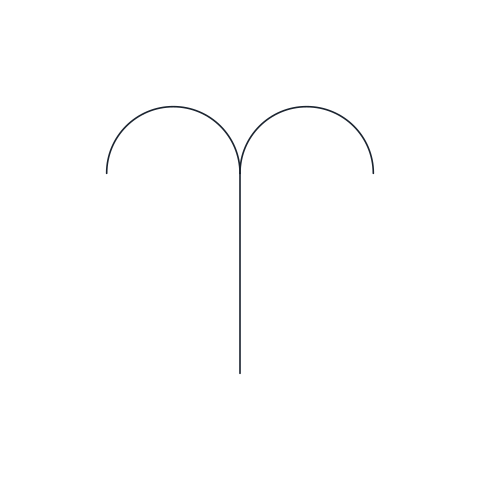
Toes blended smoothly
Asks for the weld toes to blend smoothly into the parent metal, which may mean dressing them. Typical on fatigue-loaded joints.
IND_WELDING_SYMBOLS_TOES_BLENDED
-
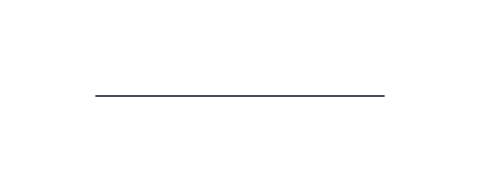
Flush (flat) finish
A straight line added to the weld symbol to ask for a flat weld face, usually dressed flush by grinding or machining.
IND_WELDING_SYMBOLS_FLUSH
-
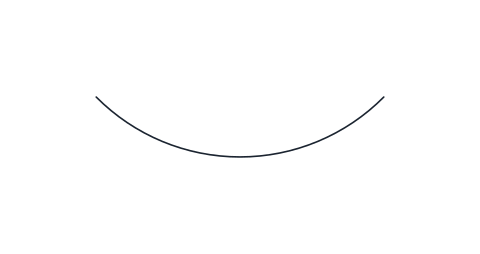
Convex weld face
An arc bulging away from the reference line, added to the weld symbol to ask for a convex weld profile.
IND_WELDING_SYMBOLS_CONVEX
-
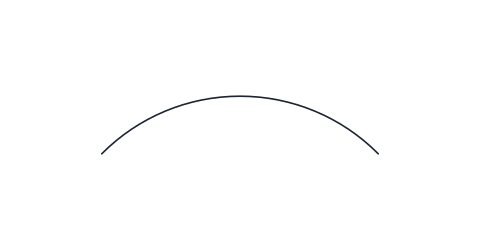
Concave weld face
An arc curving towards the reference line, added to the weld symbol to ask for a concave weld profile, most often on fillet welds.
IND_WELDING_SYMBOLS_CONCAVE
- Units
- Millimetres (INSUNITS 4), drawn at paper size
- Formats
- DWG 2010 · DXF R2010 · PDF
- Opens in
- AutoCAD and AutoCAD LT 2010 or later, BricsCAD, ZWCAD and DraftSight. The DXF opens in most CAD programs.
- Views
- Sheet
- License
- Free for personal and commercial projects. License
The download brings together the marks that sit at the corner between the arrow and the reference line: the weld all around symbol, the field weld flag, two fillet callouts that already carry them, a callout with a tail and process attribute, the empty reference lines of ISO 2553 systems A and B, and the finishing marks for flush, convex, concave and blended toes. Every block comes in DWG and DXF with its library name, plus a PDF sheet.
Weld all around symbol: the circle at the junction
A small circle drawn where the arrow line meets the reference line means the weld does not stop: it runs continuously around the whole joint. Typical cases are a tube welded to a base plate, a bracket welded on all four sides or a boss around a hole. Without the circle, the weld covers only the side of the joint the arrow touches. The circle says nothing about the weld type or size; those still come from the symbol on the reference line. The rest of the callout is explained on the welding symbols page.
Field weld symbol and the all around circle together
The field weld symbol is a filled flag at the same junction. It means the weld is made on site, during erection, and not in the shop that makes the parts. The two marks often appear together on structural steel, for example a column base welded all around once it stands in place. The library has a fillet weld symbol with the circle and another with the flag as ready callouts, and both marks as separate blocks you can add to any other callout. The flag on these blocks points towards the tail.
Tail of the welding symbol and the process number
The tail is the fork at the end of the reference line. The callout here carries a PROCESS attribute for the process reference number of ISO 4063. After the process, separated by slashes, the tail can hold more information, such as the quality level, the welding position and the filler metal, or a reference to a welding procedure specification.
Finishing marks that combine with all around welds
The flush line, the convex arc and the concave arc describe the weld face. The blended toes mark asks for the edges of the weld to merge smoothly into the parent metal, which may mean dressing them, and it shows up on joints loaded in fatigue. All four are drawn to hang under the reference line, on the arrow side, and are mirrored for the other side.
Placing the weld all around and field weld marks in AutoCAD
The circle and the flag have their base point at the junction of arrow line and reference line. Any callout in the library has its own base point at the arrow tip, and its junction is the corner where the 45 degree arrow meets the 30 mm reference line, so you can snap either mark straight onto that corner. Everything is drawn at paper size on a 2.5 mm grid.
The circle, the flag and the tail follow ISO 2553:2019. That document is a paid ISO publication, and this page only describes the blocks drawn from it.